::::::
絲竹漫遊
主持人劉馬利
本集主題
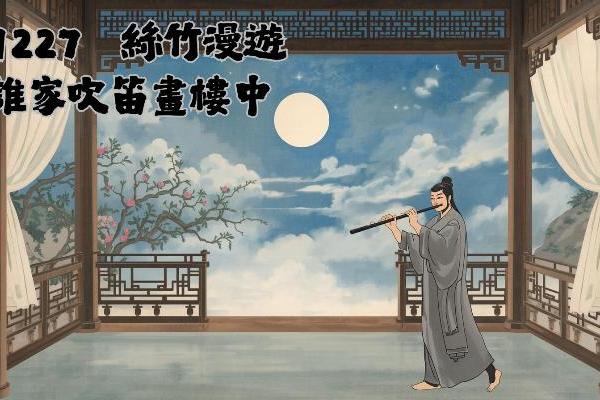
20251228 【絲竹漫遊】 誰家吹笛畫樓中
古人常以笛聲寄情,詩人趙嘏在《聞笛》一詩中,透過一縷清音,連結起兩段古代故事:薛譚聽秦青吹笛而悔悟,明白技藝無窮、音樂需不斷精進;桓伊之笛則清越動人,能感天地、撼人心,甚至令自然萬物共鳴。這兩個典故並置,使詩意更為深邃,不僅是聽覺的享受,更是精神的共鳴。詩人以「響遏行雲橫碧落」形容笛聲直達天際,既是技藝的極致,也是藝術的至境。
本集內容
20251228 【絲竹漫遊】 誰家吹笛畫樓中
古人常以笛聲寄情,詩人趙嘏在《聞笛》一詩中,透過一縷清音,連結起兩段古代故事:薛譚聽秦青吹笛而悔悟,明白技藝無窮、音樂需不斷精進;桓伊之笛則清越動人,能感天地、撼人心,甚至令自然萬物共鳴。這兩個典故並置,使詩意更為深邃,不僅是聽覺的享受,更是精神的共鳴。詩人以「響遏行雲橫碧落」形容笛聲直達天際,既是技藝的極致,也是藝術的至境。
笛子作為中國最具代表性的傳統吹奏樂器,音色清亮圓潤,既能表現孤寂幽微,也能展現豪放奔放。從新石器時代的骨笛,到南方曲笛的柔美、北方梆笛的高亢,它始終是中國音樂文化的重要象徵。今晚,讓我們循著詩人趙嘏的筆觸,透過笛聲跨越時空,與古人對話,與心靈相遇。願這段音樂旅程,為您帶來詩意的共鳴與心靈的慰藉。
本集【晚安音樂故事館】秦浩老師飾演秦青、桓伊,艾爾森飾演薛譚、王徽之、謝安、阿布飾演客人。
本集曲目
1. 李抱忱: 聞笛
2. 董榕森: 陽明春曉
3. 王乙聿: 庫伊的愛情
4. 羅偉倫 & 鄭濟民: 白蛇傳
5. 馬水龍: 梆笛協奏曲
【Let’s listening to and enjoy】
Welcome to today’s journey through music and poetry. In Zhao Gu’s poem Listening to the Flute, a single clear note recalls two ancient tales: 薛譚 Xue Tan’s regret, realizing after hearing秦青 Qin Qing’s flute that artistry demands endless refinement; and 桓伊Huan Yi’s transcendent playing, whose sound could move nature itself. Placing these stories together, the poem shows that flute music is more than sound—it embodies wisdom and spirit, reaching heaven and touching hearts. Tonight, this is the last episode for the year, let us follow this poetic vision, listening as the flute bridges time, converses with the ancients, and resonates with our souls.
1. 李抱忱: 聞笛 2. 董榕森: 陽明春曉 3. 王乙聿: 庫伊的愛情 4. 羅偉倫 & 鄭濟民: 白蛇傳 5. 馬水龍: 梆笛協奏曲




LIVE